
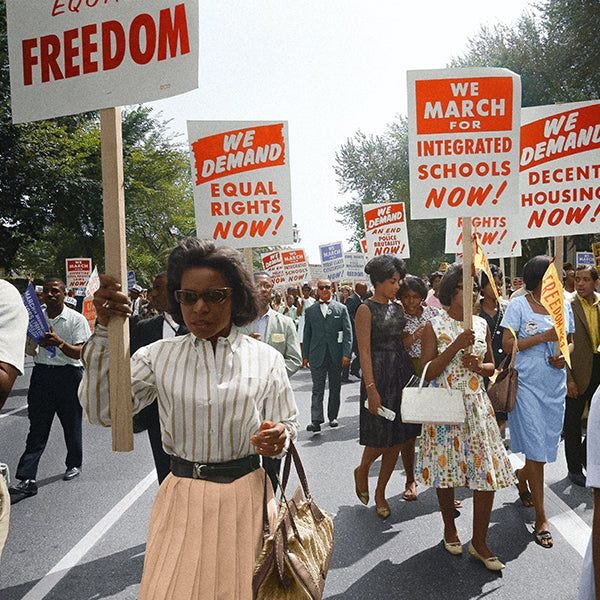
This year we celebrate America turning 250 years old. The land of the free, the home of the brave. But how can we celebrate this milestone when 89 of the 250 years, America didn’t even believe in its own Declaration? True freedom requires economic agency. We cannot celebrate these ideals while ignoring the debt owed to those who built this country for free. If we are honest with ourselves, we have to acknowledge that America has some unfinished business and it starts with everyone who calls themselves an American, including myself. My unfinished business deals with closing the racial wealth gap through financial education, strategic community empowerment, and real estate ownership.
My father used to say, “He who has the gold makes the rules.” It was his reminder to us that we live in a world where money drives decisions. Black people built America and yet, our total wealth couldn’t be further behind. After years of my ancestors building America, their payment was not economic wealth or justice but instead, continued systematic financial and legal hardships that have aided in the continuing gap of building wealth. The modern wage and salary disparities between Black Americans and their white counterparts are not accidental; they are the direct result of a system where “the gold” was intentionally withheld. Even today, people recognize that working a 9 to 5 isn’t enough to survive. It’s why so many depend on second jobs or hobbies that allow them to achieve more. And this is crucial in financial education. While everyone wants to make more, it’s difficult to get raises or promotions in an economy that overall is doing poorly. Couple this with the fact that there is still racial economic inequality, and the opportunities get narrower. Closing the wealth gap requires us to move from survival mode to long-term strategic financial planning. We have to get out of the habit of unnecessary consumerism and work towards a better goal. Through financial education, learning to plan, invest the money we have and use our talents to make additional revenue, we can start turning the page. But the knowledge of this isn’t enough. There has to be some action behind the rhetoric so that our unfinished business can be completed. It’s time to close the gap by focusing on actions that will expand wealth, which introduces strategic community empowerment.
In my lifetime, I’ve been around people who have had brilliant ideas, but the idea died because they had no resources to get them to the next level. Because the sad reality is that many Black Americans know what financial success looks like, they just lack the resources to get them there. This is why community empowerment is crucial. Financial education, without the partnership of capital, technology, and pathways leads to dead ends. But imagine if the community pooled together and ensured that the next generation had the tools they needed to be successful. Our community could mentor the future great leaders just by recognizing the power in the community. But we’re going to need more than just the “talented tenth” W.E.B DuBois proposed. We have to recognize that in a true community, everyone has a place, and everyone can serve. Sustainable growth happens when individuals, organizations, and institutions share networks, capital and operational tools rather than siloing them. As a community, we have to shift from individualism building up the community where everyone can benefit and thrive.
When I was growing up, the movie Scarface was everyone’s favorite movie. But the only thing I can remember is the quote from the movies that said “first you get the money, and then you get the power. ” The power for us is the ability to rewrite the rules. And a way to rewrite the rules is to have skin in the game...the real estate game. In the past, Black families were historically shut out of the housing market and trapped in a perpetual cycle of renting. However, the tides are shifting, but still too slowly. Too many families are reverting back to living in apartments due to rises in inflation and cost of living. Rewriting the rules means finding the way to ensure that when families buy houses, they can sustain them and keep them in the family. This works by targeting first time homebuyers and helping them with the resources that aid first time homebuyers with closing costs and home buying education. We must ensure that the next generation inherits assets, equity, and financial literacy, rather than starting from zero.
If “he who has the gold makes the rules, “ then reclaiming our wealth and owning our land is how we finally rewrite the rules for America’s next 250 years. If we are ever to hold these truths to be self-evident that all men are created equal, we have to finish the work. This is my unfinished business and I’m partnering with organizations that will help me fulfill the vision because there is strength in numbers. I hope you can see the vision and join the movement.